Corporate Catering for Companies Who Demand More
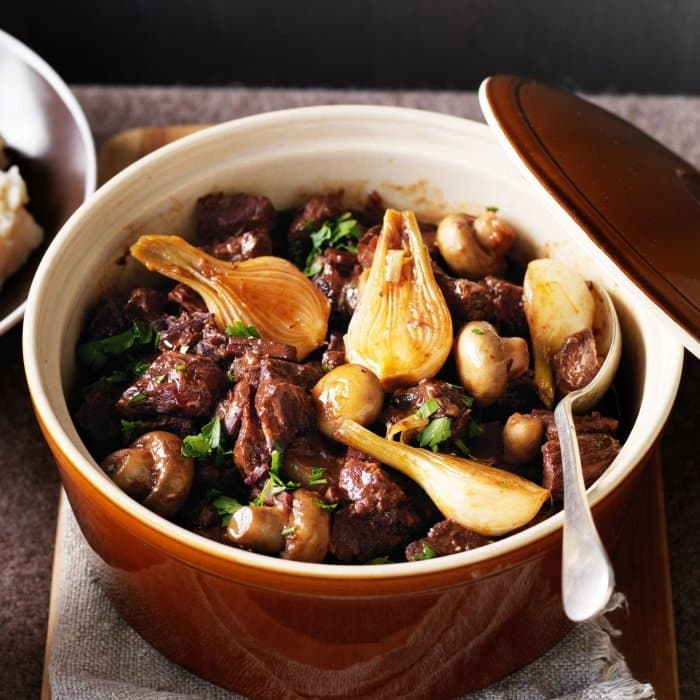
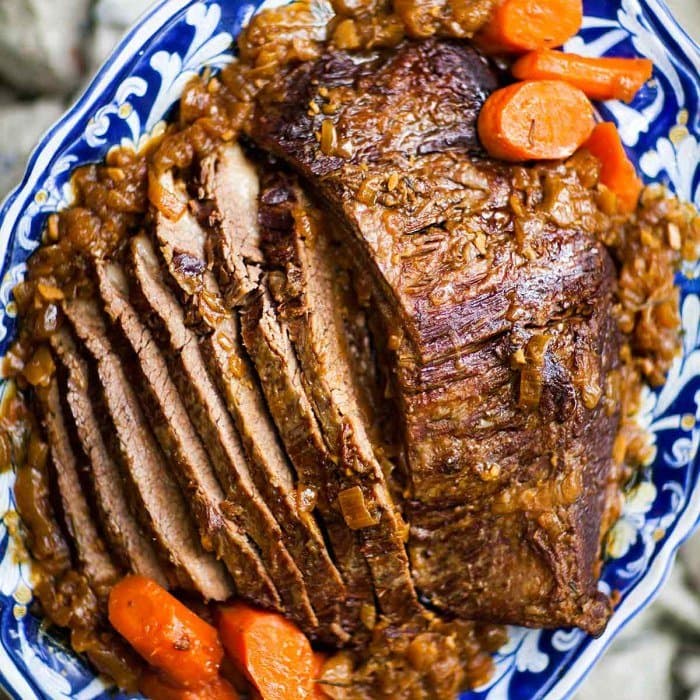
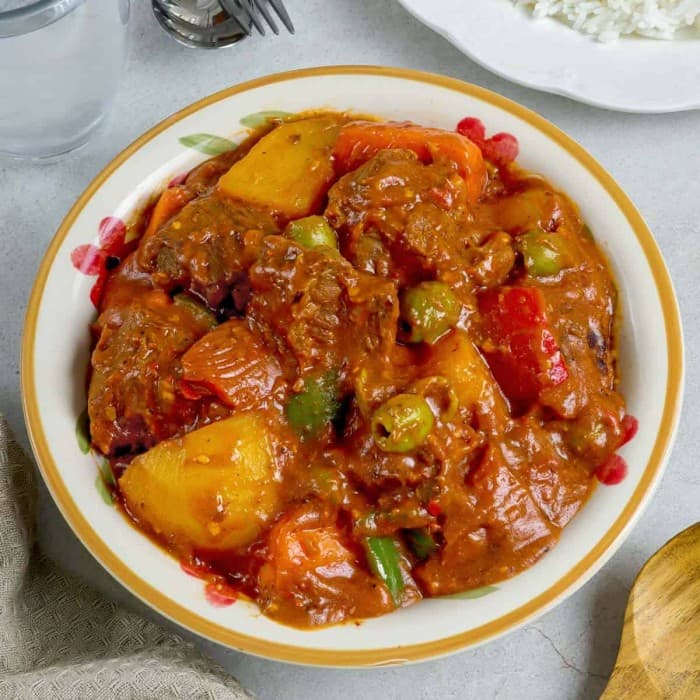
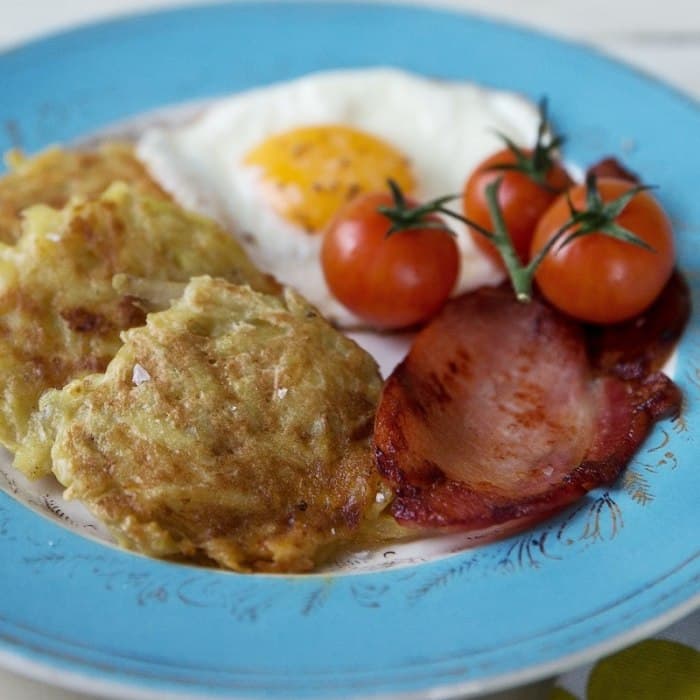
If an important client is visiting the office, or if your team is celebrating a big success, standard cheese sandwiches simply aren't enough. People want good, healthy, and delicious food. Our specialized corporate catering offers the perfect solution. A chef prepares fresh lunches and luxurious dinners directly at your location.
More and more companies are moving away from boring office food. We bring the high-end restaurant experience straight into your boardroom or corporate cafeteria.
The Benefits of the Lunch Club
- A sharper, more energetic team: Healthy lunches (featuring warm dishes and salads) lead to better afternoon work performance.
- Impress your guests: Hiring a private chef at the office is a fantastic way to welcome important VIP visitors.
- Flexible at-home options: Even for team outings at a colleague's home or a rented villa, we provide the absolute best catering.
Invest in great food for your business. Whether it's a daily healthy lunch club or a once-a-year lavish Christmas dinner, culinary quality makes all the difference.
Comprehensive Deep-Dive: Corporate Catering and the Luxury Office Lunch
Welcome to our extensive exploration of Corporate Catering and the Luxury Office Lunch. In the dynamic world of culinary arts and event hosting, understanding the nuances of Corporate Catering and the Luxury Office Lunch can significantly elevate your next gathering. Whether you are planning an intimate private dinner, a bustling corporate retreat, or a massive wedding celebration, recognizing the intricacies of this subject is paramount. Our experts have compiled this exhaustive guide to ensure that every aspect of your event is executed flawlessly. The culinary landscape is constantly evolving, and staying ahead of the curve requires deep industry knowledge and a passion for gastronomy. Through this detailed examination, we aim to provide you with actionable insights and unparalleled inspiration.
Essential Catering Glossary
- Sous-vide: A method of cooking in which food is placed in a plastic pouch or a glass jar and cooked in a water bath for longer than normal cooking times at an accurately regulated temperature.
- Mise en Place: A French culinary phrase which means "putting in place" or "everything in its place." It refers to the setup required before cooking, ensuring all ingredients are prepped and ready.
- Farm-to-Table: A social movement which promotes serving local food at restaurants and school cafeterias, preferably through direct acquisition from the producer.
- Sommelier: A trained and knowledgeable wine professional, normally working in fine restaurants, who specializes in all aspects of wine service as well as wine and food pairing.
- Dry Hire: Hiring a venue without any catering, staff, or furniture included, meaning the caterer must bring everything required.
- Degustation: A culinary term meaning a careful, appreciative tasting of various foods, focusing on the gustatory system, the senses, high culinary art and good company.
- Amuse-bouche: A single, bite-sized hors d'œuvre. Amuse-bouches are different from appetizers in that they are not ordered from a menu by patrons but are served free and according to the chef's selection alone.
- Hors d'oeuvres: Small portions of food served before the main meal to stimulate the appetite. They can be served hot or cold.
- Corkage: A fee charged by a venue or caterer for serving wine or liquor brought in by the client rather than purchased from the establishment.
- Bespoke Menu: A custom-designed menu tailored specifically to the client's preferences, dietary requirements, and the specific theme of the event.
- Gastronomy: The study of the relationship between food and culture, the art of preparing and serving rich or delicate and appetizing food, the cooking styles of particular regions, and the science of good eating.
- Plating: The art of presenting food in an attractive way. A crucial element of the fine dining experience that appeals to the visual senses before the food is even tasted.
- Canapé: A type of hors d'œuvre, a small, prepared, and usually decorative food, consisting of a small piece of bread (sometimes toasted), puff pastry, or a cracker topped with some savory food.
- A la carte: A menu where guests can choose individual dishes rather than a set multi-course meal.
Frequently Asked Questions
What happens to the leftover food?
Depending on local health regulations and the client's specific wishes, safe, unserved leftovers can be packaged for the host, or we partner with local food rescue initiatives to minimize waste and support the community.
How far in advance should I book my catering services?
We recommend booking at least 3 to 6 months in advance for large events such as weddings or corporate galas. For smaller, private dining experiences, a minimum of 4 weeks is preferred to ensure optimal menu planning and ingredient sourcing.
Do you provide beverage and sommelier services?
Yes. We offer comprehensive beverage packages ranging from craft sodas and mocktails to premium open bars. Our in-house sommelier can also curate bespoke wine pairings for multi-course tasting menus.
What if my venue doesn't have a kitchen?
Lack of a kitchen is completely fine. We operate mobile satellite kitchens. We bring our own ovens, induction burners, warming cabinets, and refrigeration units to execute flawless service in fields, warehouses, or historical buildings.
Where do you source your ingredients?
We prioritize local, sustainable, and organic sourcing. We partner with regional farmers, artisan cheese makers, and sustainable fisheries in the Netherlands to ensure the freshest, highest-quality ingredients while supporting the local economy.
How does a tasting session work?
Once a preliminary menu is selected, we schedule a tasting session. This allows you to sample the dishes, discuss presentation, and make any necessary flavor adjustments to ensure the final menu perfectly aligns with your vision.
What is included in the full-service catering package?
Full-service catering includes menu consultation, all ingredient sourcing, food preparation, delivery, on-site cooking and plating, highly trained waitstaff, elegant tableware, and complete post-event cleanup. You simply enjoy the event.
Can you accommodate severe dietary restrictions and allergies?
Absolutely. Our culinary team is highly trained in managing complex dietary needs, including celiac disease, severe nut allergies, strict veganism, and religious dietary observances. We utilize separate prep areas to prevent cross-contamination.
Comprehensive Deep-Dive: Corporate Catering and the Luxury Office Lunch
Welcome to our extensive exploration of Corporate Catering and the Luxury Office Lunch. In the dynamic world of culinary arts and event hosting, understanding the nuances of Corporate Catering and the Luxury Office Lunch can significantly elevate your next gathering. Whether you are planning an intimate private dinner, a bustling corporate retreat, or a massive wedding celebration, recognizing the intricacies of this subject is paramount. Our experts have compiled this exhaustive guide to ensure that every aspect of your event is executed flawlessly. The culinary landscape is constantly evolving, and staying ahead of the curve requires deep industry knowledge and a passion for gastronomy. Through this detailed examination, we aim to provide you with actionable insights and unparalleled inspiration.
Essential Catering Glossary
- Mise en Place: A French culinary phrase which means "putting in place" or "everything in its place." It refers to the setup required before cooking, ensuring all ingredients are prepped and ready.
- Corkage: A fee charged by a venue or caterer for serving wine or liquor brought in by the client rather than purchased from the establishment.
- Sous-vide: A method of cooking in which food is placed in a plastic pouch or a glass jar and cooked in a water bath for longer than normal cooking times at an accurately regulated temperature.
- Sommelier: A trained and knowledgeable wine professional, normally working in fine restaurants, who specializes in all aspects of wine service as well as wine and food pairing.
- Degustation: A culinary term meaning a careful, appreciative tasting of various foods, focusing on the gustatory system, the senses, high culinary art and good company.
- Bespoke Menu: A custom-designed menu tailored specifically to the client's preferences, dietary requirements, and the specific theme of the event.
- Gastronomy: The study of the relationship between food and culture, the art of preparing and serving rich or delicate and appetizing food, the cooking styles of particular regions, and the science of good eating.
- Amuse-bouche: A single, bite-sized hors d'œuvre. Amuse-bouches are different from appetizers in that they are not ordered from a menu by patrons but are served free and according to the chef's selection alone.
- A la carte: A menu where guests can choose individual dishes rather than a set multi-course meal.
- Dry Hire: Hiring a venue without any catering, staff, or furniture included, meaning the caterer must bring everything required.
- Farm-to-Table: A social movement which promotes serving local food at restaurants and school cafeterias, preferably through direct acquisition from the producer.
- Hors d'oeuvres: Small portions of food served before the main meal to stimulate the appetite. They can be served hot or cold.
- Plating: The art of presenting food in an attractive way. A crucial element of the fine dining experience that appeals to the visual senses before the food is even tasted.
- Canapé: A type of hors d'œuvre, a small, prepared, and usually decorative food, consisting of a small piece of bread (sometimes toasted), puff pastry, or a cracker topped with some savory food.
Frequently Asked Questions
How far in advance should I book my catering services?
We recommend booking at least 3 to 6 months in advance for large events such as weddings or corporate galas. For smaller, private dining experiences, a minimum of 4 weeks is preferred to ensure optimal menu planning and ingredient sourcing.
How does a tasting session work?
Once a preliminary menu is selected, we schedule a tasting session. This allows you to sample the dishes, discuss presentation, and make any necessary flavor adjustments to ensure the final menu perfectly aligns with your vision.
Can you accommodate severe dietary restrictions and allergies?
Absolutely. Our culinary team is highly trained in managing complex dietary needs, including celiac disease, severe nut allergies, strict veganism, and religious dietary observances. We utilize separate prep areas to prevent cross-contamination.
What happens to the leftover food?
Depending on local health regulations and the client's specific wishes, safe, unserved leftovers can be packaged for the host, or we partner with local food rescue initiatives to minimize waste and support the community.
What is included in the full-service catering package?
Full-service catering includes menu consultation, all ingredient sourcing, food preparation, delivery, on-site cooking and plating, highly trained waitstaff, elegant tableware, and complete post-event cleanup. You simply enjoy the event.
Do you provide beverage and sommelier services?
Yes. We offer comprehensive beverage packages ranging from craft sodas and mocktails to premium open bars. Our in-house sommelier can also curate bespoke wine pairings for multi-course tasting menus.
What if my venue doesn't have a kitchen?
Lack of a kitchen is completely fine. We operate mobile satellite kitchens. We bring our own ovens, induction burners, warming cabinets, and refrigeration units to execute flawless service in fields, warehouses, or historical buildings.
Where do you source your ingredients?
We prioritize local, sustainable, and organic sourcing. We partner with regional farmers, artisan cheese makers, and sustainable fisheries in the Netherlands to ensure the freshest, highest-quality ingredients while supporting the local economy.
Chef David
Culinary Expert
Passionate about sharing insights on culinary trends and kitchen management. Bringing you the latest updates from the heart of the industry.